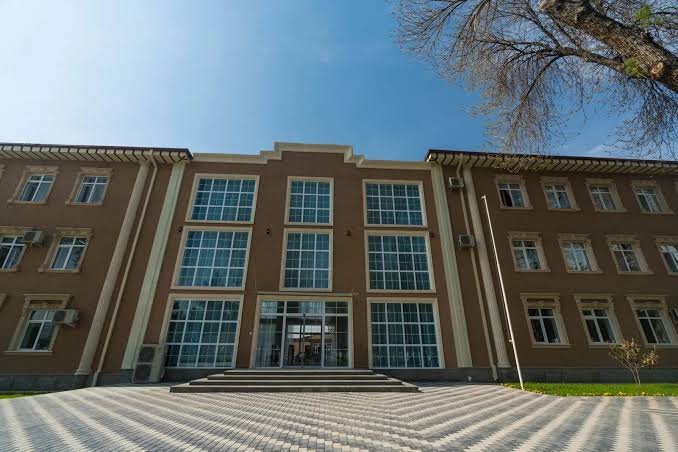
Uzbekistan has grown quickly as a destination for Indian students seeking an MBBS abroad, and within Uzbekistan, one name is drawing particular attention this year: Fergana Medical Institute of Public Health. Located in the historic Fergana Valley, this government university has built a reputation that goes beyond just low fees, making it a genuine contender for Indian families comparing their options for 2026.
The institute was established in 1991 and works under Uzbekistan’s Ministry of Health and Ministry of Higher Education, alongside its affiliation with Fergana State University. It is recognised by India’s National Medical Commission (NMC) and has been listed in the World Directory of Medical Schools since the early 2000s, which allows its graduates to sit the licensing exam needed to practise in India. Classes are conducted fully in English, so there is no separate language test required before joining.
One point matters more in 2026 than in past years. In April this year, the NMC issued an advisory flagging three Uzbekistan institutions for admitting more students than their approved capacity and for gaps in clinical training. This institute was not one of the universities named in that advisory, which is a meaningful, current data point for any family checking a university’s standing before paying fees.
Academic results back up the confidence. FMGE pass rates here have generally stayed in the 30% to 40% range, comfortably above the national average of around 23%, which has hovered in that region for the last few sessions. Clinical training happens across more than a dozen affiliated hospitals in the region, including a large multi-disciplinary hospital that alone handles well over a hundred thousand patient visits a year, giving students genuine hands-on exposure from their third year onward rather than late in the course.
Cost remains a strong draw too. The full six-year MBBS course, including tuition and hostel, typically comes to somewhere between twenty-five and thirty lakh rupees, a fraction of what private medical colleges charge in India. Admission is direct and based on NEET marks, with no entrance test or donation involved, and the university runs two intakes each year, in February and September, giving families some flexibility in planning.
Getting there and settling in is also fairly simple. Fergana has its own international airport a short distance from the campus, with road and rail links to Tashkent, Samarkand, and Andijan for anyone who wants to travel within the country. Indian food is available in and around the hostel, and a growing Indian student community, present since around 2018, means new students usually have seniors nearby to guide them through their first few months.
None of this means every student should sign up without checking further. Rules and advisories can change, so any family should confirm the current NMC and WDOMS status directly before making a payment. But taken together, a stable regulatory record, real FMGE numbers, genuine hospital exposure, and a manageable budget explain why this Fergana Valley institute has moved from being a lesser-known option to one of the more seriously considered choices for Indian students planning MBBS abroad in 2026.