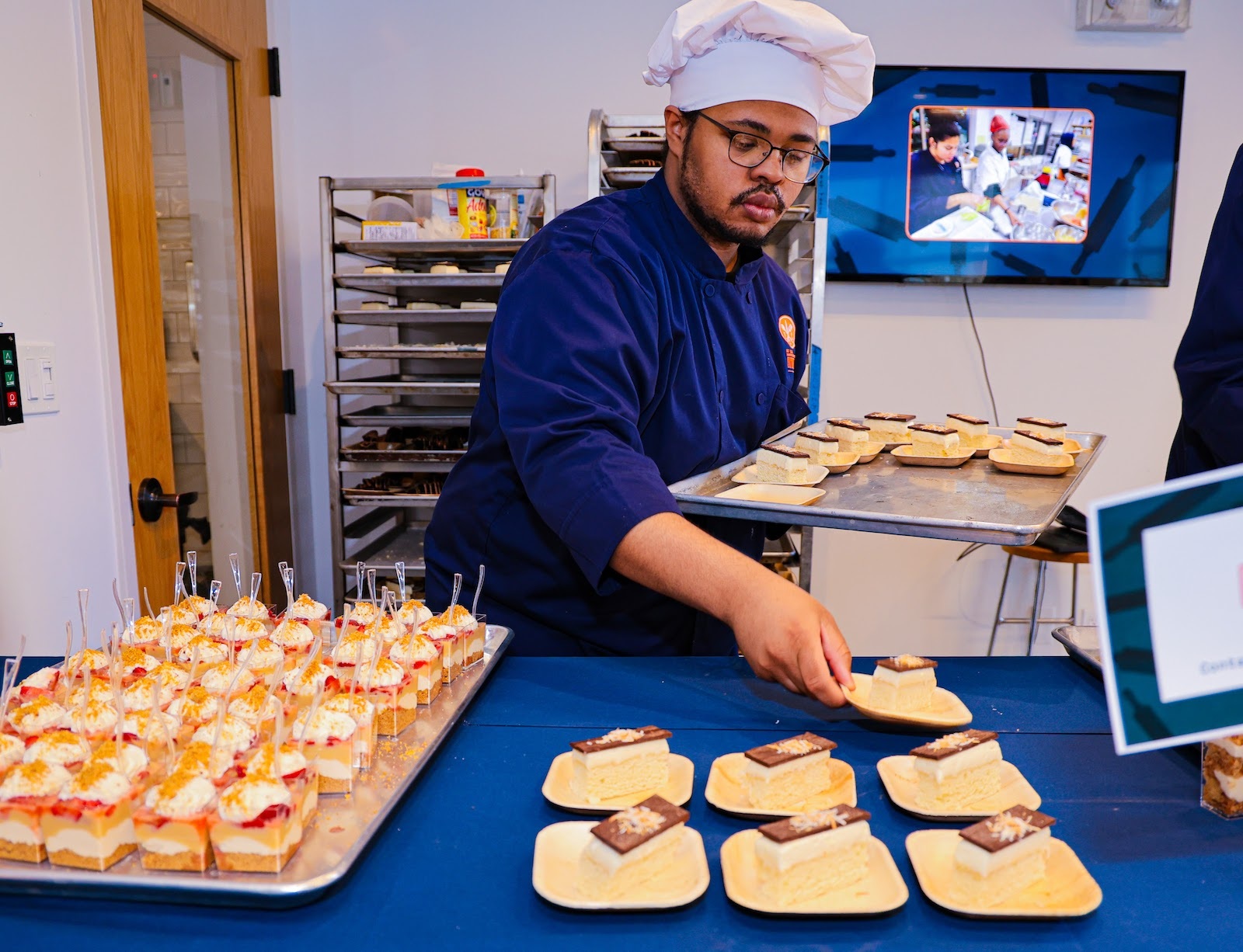
Career development is often associated with formal education, professional qualifications, and workplace training programs. While these pathways remain important, many people are discovering that practical skills can also play a valuable role in personal and professional growth. Learning hands-on abilities such as cooking not only improves everyday life but can also open the door to new career opportunities and personal development.
Cooking has long been considered an essential life skill, but in recent years it has gained recognition as a valuable learning experience that goes beyond simply preparing meals. Developing cooking knowledge requires discipline, patience, creativity, and attention to detail. These qualities are also highly valued in the workplace, which is why many people view culinary education as a meaningful way to build transferable skills.
For individuals interested in hospitality, catering, or food-related careers, structured training can provide an excellent starting point. Participating in a corso barbecue, for example, allows learners to gain hands-on experience while understanding the techniques involved in grilling, ingredient preparation, and flavour balance. These types of courses help students move beyond basic cooking knowledge and develop specialised skills that can support both professional and personal goals.
One of the major advantages of practical learning is that it encourages active participation. Unlike a purely theoretical study, hands-on training requires learners to apply what they have learned in real time. This process improves memory retention and helps individuals build confidence in their abilities. Cooking courses in particular require participants to focus on timing, coordination, and attention to detail, all of which are useful skills in many different professional environments.
Another important benefit of culinary learning is the development of problem-solving abilities. In the kitchen, things do not always go according to plan. Ingredients might need to be substituted, cooking times adjusted, or techniques modified to achieve the desired result. These challenges teach individuals how to adapt quickly and think creatively, which are valuable skills in any career path.
Cooking education also encourages a strong sense of discipline and organisation. Preparing a successful meal often involves planning multiple steps in advance, organising ingredients, and managing time effectively. These organisational habits can easily translate into professional settings where structured thinking and efficiency are important.
Beyond technical skills, learning to cook can also enhance social and communication abilities. Cooking often takes place in a collaborative environment, whether in a professional kitchen, a training course, or a group workshop. Participants must communicate clearly, coordinate tasks, and support one another to achieve a shared outcome. These teamwork skills are highly transferable to many industries where collaboration is essential.
Another factor that makes culinary education appealing is the opportunity for continuous learning. Food culture evolves constantly, with new techniques, ingredients, and culinary trends emerging around the world. People who pursue cooking as a skill often find themselves exploring different cuisines, experimenting with recipes, and expanding their knowledge over time. This mindset of ongoing improvement is also valuable in professional development, where adaptability and curiosity are key to long-term success.
For some individuals, cooking courses can even inspire a complete career shift. What begins as a personal interest can gradually grow into a professional opportunity within hospitality, catering, event management, or culinary entrepreneurship. Even for those who do not intend to work in the food industry, the skills learned through cooking education can still contribute to personal growth and a more balanced lifestyle.
In a world where professional success increasingly requires adaptability and practical skills, learning experiences that combine knowledge with hands-on practice can be extremely valuable. Culinary education offers exactly that balance, allowing individuals to develop discipline, creativity, and confidence while also gaining a skill that can be enjoyed throughout life.